Does Medicare Cover Genetic Testing for Cancer?
Cancer is the leading cause of death worldwide and impacts millions of patients and families each year. Fortunately, genetic testing for cancer, which is growing in popularity, can be a great tool for understanding your risk of developing cancer.
Does insurance pay for genetic testing of cancer? Yes, but coverage determination depends on certain circumstances.
The Food and Drug Administration (FDA) and the Centers for Medicare and Medicaid Services (CMS), are actively working to make sure these tools are effective and accessible.
What Are My Chances of Getting Cancer?

The American Cancer Society estimates that 1 in 3 people in the United States will develop cancer at some point in their life. Data and research show that cancer risk is highest for those between the ages of 65 to 74 years and accounts for the largest portion of new cancer cases found each year.
While you may have a smaller chance of developing cancer if you are under the age of 65, it is still a good idea to get tested as early as possible so that you can make smart decisions about health insurance and your future.
Is Cancer Hereditary?
About 10% of cancers occur in someone who has inherited gene mutations. Hereditary cancer syndromes are caused by mutations in certain genes passed from parents to children.
Researchers have found mutations in more than 50 hereditary cancer syndromes.
These mutations are found in the genetic code of DNA and are represented by the letters A, T, C, and G. These codes can be long – for example, the BRCA 1 code is over 10,000 letters long.
However, not every mistake in the “code” should raise concern for cancer.
Reasons to Consider Genetic Testing for Cancer
If you have an inherited gene mutation, that doesn’t necessarily mean you’ll get cancer. It only means that you’re at a higher risk of developing certain types of cancer.
If your personal history or family history of cancer suggests you are at risk, find out how genetic counseling and genetic testing can help you understand and manage your concerns.
The following populations should also ask for specific types of genetic testing:
- Those whose family members have had gynecologic cancer should get tested for fallopian tube cancer. This very rare cancer only affects about 1,500 to 2,000 women worldwide and only about 300 to 400 women are diagnosed with it every year in the United States.
- Those with Ashkenazi Jewish ancestry have a higher risk for specific hereditary diseases and genetic disorders.
- Those with a family history of pancreatic cancer can get tested for inherited conditions that can increase the risk of getting this type of cancer.
- Those with a personal history of breast cancer can take the BRCA gene test to see if they have an inherited mutation.
You may want to tell your family about your test results whether the results are positive or not.
Risk Factors for Hereditary Cancer
When cancers are linked to an inherited gene mutation, that’s called a family cancer syndrome.
Certain factors may make it more likely that you and your family members can pass cancer on to your loved ones including:
- Many cases of the same kind of cancer (especially if the type of cancer is rare) — like ovarian cancer caused by BRCA1 and BRCA2 gene mutations
- Cancers that occur much sooner than usual – like breast cancer in a teenager
- One person who has multiple types of cancer (like a man who has both colon and prostate cancer)
- Cancers that occur in pairs of organs (both kidneys or both breasts, for example)
- Siblings who have childhood cancers
- Cancer that occurs in the opposite sex of the one usually affected (breast cancer in a man, for example)
- Cancer that occurs in several generations (like in a grandmother, mother, and daughter)
Hereditary Genetic Testing for Cancer
The estimated number of new cancer cases in 2018 was 1,735,350. If you are curious about your risk of developing cancer, consider hereditary cancer testing.
Hereditary testing kits can help you understand any mutations you may have and allow you to better prepare for any issues that may arise in the future. Plus, knowing about an inherited mutation gives you the power to take the necessary steps to reduce your risk of cancer or to help detect it at an early stage.
Kits often include a saliva collection kit and a prepaid return label. The testing kits analyze over 30 genes that can contribute to the most common hereditary cancers.
A certified medical professional will review your sample and provide clear results of the absence or presence of any cancer-causing mutations. This information is personalized to you and provides information on how your genetic makeup can impact your family.
Medicare Cancer Test Kits
Fortunately, you can complete a cancer genetic test in the comfort of your own home. This can help alleviate any stress that may come from testing in a doctor’s office.
Most at-home test companies provide return labels so the entire process is convenient and stress-free. However, if you prefer to go into a doctor’s office for your genetic testing, that is also an option.
If you decide to use a Medicare cancer test kit to screen for covered screenings, be sure to follow the test’s directions to the letter. This helps ensure that your test results will be accurate.
Breast Cancer Genetic Testing & the BRCA Testing Cost
It is easy to learn your genetic risk of the most common hereditary cancers, including BRCA 1 and BRCA 2 genes. BRCA stands for BReast CAncer genes. BRCA 1 is on chromosome 17 and BRCA 2 is on chromosome 13.
All it takes is a small DNA sample through saliva.
Plus, the test can be conveniently mailed to you and completed in the comfort of your home. The cost of a hereditary cancer testing kit can range from $100 to $200.
There are multiple genetic testing companies, including Color and 23andMe, but not all are approved by the FDA.
Aging and Cancer
The risk of cancer increases with age, but it’s never too early to start screening. According to the Dana-Farber Cancer Institute, the average age for a breast cancer diagnosis is 61 years.
The average age for a prostate cancer diagnosis is 66 years.
There is no single explanation as to why age and cancer correlate, but researchers believe sunlight, radiation, environmental chemicals, and ingredients in our food are large factors.
Physical exercise, a healthy diet, and adequate sleep can help lower the risk of cancer as you age.
Medicare Coverage and Genetic Testing for Cancer

Medicare beneficiaries who need genetic counseling can get it covered under Medicare Part A and Part B only if it has been ordered by a physician before starting medication covered under Part D or if it is medically necessary in a skilled nursing facility.
Medicare covers certain genetic cancer tests if they’re medically necessary. In 2020, Medicare will cover genetic testing if:
- You have recurring, relapsed, refractory, metastatic, or advanced stage III or IV cancer
- You have not used the same genetic test for the same cancer diagnosis previously
- You have decided to seek further cancer treatment such as chemotherapy and radiation
- You have signs or symptoms of a cancer like colorectal cancer that can be clarified or verified with diagnostic testing
- You have a first-degree relative who has a known mutation such as Lynch syndrome
Does Medicare Cover BRCA Testing?
How much does the BRCA test cost? The price ranges from $475 to $4,000. Fortunately, Medicare covers FDA-approved genetic testing for BRCA 1 and 2 for those with a personal or family history.
So, it covers hereditary breast, tubal, epithelial ovarian, or primary peritoneal cancer tests as well.
Does Medicare Cover Genetic Testing for Melanoma?
Medicare currently covers the Myriad Genetics myPath and Castle Biosciences DecisionDx genetic tests for melanoma.
Medicare also covers screenings for lung, breast, prostate, and cervical cancer. Screenings are used to detect potential disease and a diagnostic test establishes the presence or absence of the disease.
Does Medicare Cover Genetic Testing for Prostate Cancer?
Medicare covers prostate cancer screening for men over 50 every 12 months. If cancer is detected, Medicare Part B coverage includes a variety of options, including genetic testing to help physicians distinguish between an aggressive and a non-aggressive tumor.
This essential information helps physicians design an optimal treatment plan for their patients.
What Happens During a Genetic Test for Cancer?
A genetic test for cancer may provide some insight into your medical history and the possibility of passing mutated genes on to your loved ones.
A Medicare genetic test for cancer may involve several steps:
1. Risk Assessment
Your doctor will first ask you questions about your personal and family medical history such as, “Have you or an immediate family member been diagnosed with cancer?” Based on your answers, your doctor may refer you to a genetic counselor. (A genetic counselor is someone who has advanced training in medical genetics and counseling.)
2. Informed Consent
Before your test, you must give informed consent, which means that you’re aware of and that you agree to the following items:
- The genetic test’s purpose
- The type and nature of the genetic condition being tested
- The test’s accuracy
- The pros and cons of testing (including the limits of the results and what they might tell you)
- Other testing options
- Possible screening or treatment options depending on the test results
- Further decisions you might need to make once the results are back
- The possible consent to use the results for research purposes
- Availability of counseling and support services
- Your right to refuse testing
3. Collecting the Sample
Depending on the test, you may need to provide a saliva, blood, hair, cheek cells (usually a swab from inside your mouth), urine, or stool sample. Once your healthcare professional collects your sample, he or she will send it to the lab for testing.
4. Getting the Results
Once the results are in, your genetic counselor or healthcare provider will tell you about your test results and the next steps you should take.
Questions to Ask Yourself About Medicare DNA Cancer Screening
Does Medicare pay for DNA cancer screening? Yes, because the Centers for Medicare & Medicaid Services (CMS) covers a broad range of FDA approved diagnostic tests, CMS cancer screening is available to detect many types of DNA cancers.
However, as with any type of medical screening, you should know what you’re getting into before you take the test. Before you take a Medicare cancer swab test, ask yourself:
- Is this test legitimate? Unfortunately, genetic kits including Medicare cancer swab tests are the latest trend in Medicare fraud, according to many state and federal agencies. Your doctor can tell you what type of test to buy.
- Is this test FDA-approved? Medicare will only cover FDA-approved tests.
- How will this information benefit future generations? You may not want to know if you have genetic mutations that could lead to cancer. However, that information could help your children and grandchildren. If you have gene mutations associated with cancer, you can have Medicare cancer screening. Many forms of cancer can be treated if they’re detected early.
We Can Help You Find the Best Medicare Plans for Cancer Patients
A Medicare Advantage (MA) plan is a great option if you are looking for additional benefits like genetic testing beyond BRCA 1 and 2 and myPath.
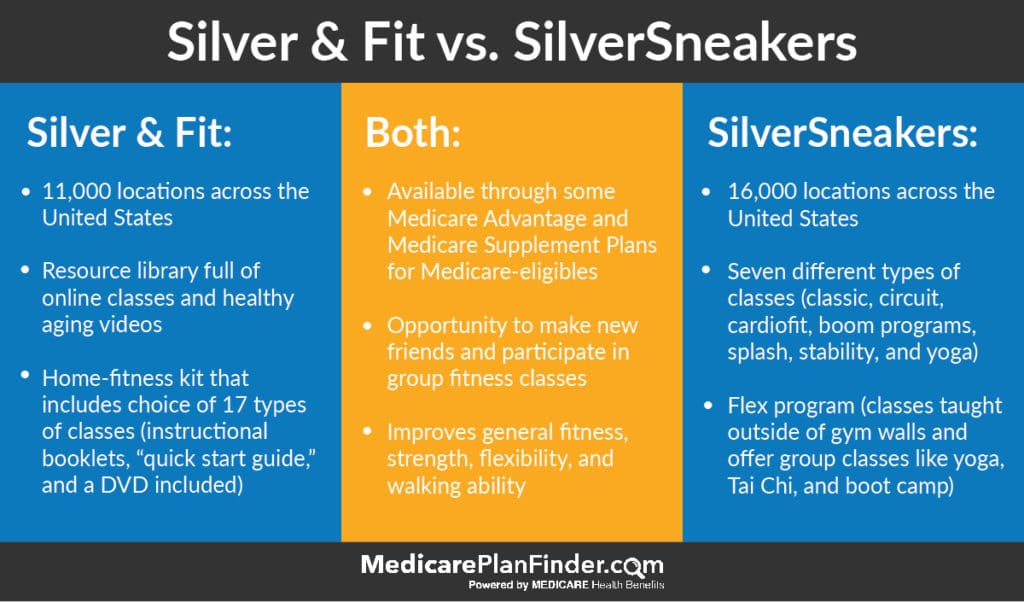
Some may even offer fitness classes like SilverSneakers®, which can help promote a healthy, physically active lifestyle and help lower your risk of cancer.
If you’re diagnosed with cancer, you may be eligible for a type of MA plan called a Chronic Special Needs Plan (C-SNP). These plans are specially designed for people with certain chronic illnesses and conditions. Your C-SNP will involve a network of healthcare providers that will coordinate your treatment plan with each other.
If you are interested in arranging a no-cost, no-obligation appointment with a licensed agent to discuss your options for MA plans including C-SNPs, call us at (833)-567-3163 or fill out this form.

This post was originally published on November 29, 2018, by Kelsey Davis and updated on March 24, 2020, by Troy Frink.